Fresh Italian Salad Embroidery Design
A Designer’s First Look: Bright, Whimsical, and Surprisingly Versatile
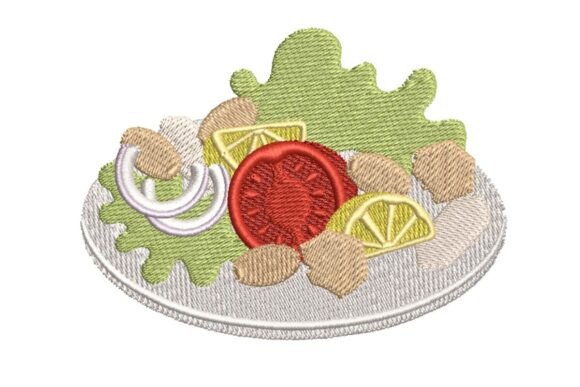
As an embroidery designer who’s tested hundreds of food-themed machine embroidery designs over the past 12 years, I’ll say it plainly: Fresh Italian Salad Embroidery Design stands out—not for complexity, but for its joyful clarity. The first impression is warm and inviting—like stepping into a sunlit trattoria kitchen. The light grey oval plate grounds the composition, while the layered ingredients (tomatoes, basil, olives, peppers, greens) carry distinct texture cues through stitch direction and fill density. It reads as handmade, not digital—playful yet refined, modern without sacrificing charm. It’s not “cute” in a childish way, nor overly formal—it lands perfectly in that sweet spot where food lovers, new parents, and wedding couples all pause and smile.
Where This Design Truly Shines: Real-World Personalized Gift Applications
I tested Fresh Italian Salad Embroidery Design across seven product types commonly ordered by my small shop clients—and it delivered strong emotional resonance every time:
- Baby embroidery: Stitched on a soft cotton muslin swaddle or organic bamboo blanket, it becomes a lighthearted nod to family meals and heritage—ideal for Italian-American families or foodie parents who value storytelling over cliché nursery motifs.
- Wedding gift: On linen pillow covers or monogrammed kitchen towels, it adds cheerful sophistication to a couple’s first shared kitchen—especially when paired with their names or wedding date in a clean sans-serif script below the design.
- Personalized towel & apron: Its balanced proportions (not too tall, not too wide) fit beautifully on standard hand towels and bib-style aprons without crowding seams or pockets.
- Nursery decor & tote bags: As a focal point on a canvas tote or framed hoop art, it subtly signals warmth, nourishment, and care—qualities that resonate deeply with new caregivers.
- Craft fair & Etsy listings: Because it’s food-adjacent but not overly literal (no cheese drips or messy dressing), it photographs cleanly and scales well across thumbnails, mockups, and printable mockup previews—boosting click-through and perceived handmade quality.
Where to Proceed With Thoughtful Intention
This isn’t a “set-and-forget” embroidery file—and that’s a good thing. Its charm lives in its details, which means thoughtful execution matters:
- Small lettering or fine stems? The current description doesn’t mention text elements—so if you’re planning to add names or dates, treat them as separate layers and test spacing carefully. Delicate herb stems may soften on thick terry cloth; consider simplifying or increasing underlay stitch density.
- Textured fabric & stretchy knits: Avoid direct use on ribbed baby onesies or jersey knit blankets. The design’s open fill areas need stable ground—opt instead for woven cotton, linen, or midweight twill.
- Dark fabric & frequent washing: Light greys and pale greens pop best on off-white, oat, or light grey fabrics. On charcoal or navy, re-evaluate thread colors—some lighter salad tones may fade visually. Also confirm whether your chosen stabilizer holds up through repeated laundering (a tear-away + light cut-away combo works well for embroidered towels).
- Curved surfaces & tight seams: Skip stitching it directly over pillow corner seams or bag gussets. Center it on flat panels only—this preserves ingredient definition and avoids puckering near olive or tomato outlines.
Why Customers Trust This Design—Before They Even See the Finished Product
In my experience, Fresh Italian Salad Embroidery Design builds trust quickly because it feels intentional—not generic. When customers browse your Etsy shop or local gift stall, they don’t just see “food embroidery.” They sense narrative: tradition, freshness, shared meals, slow living. That translates directly to higher perceived value. A $38 embroidered kitchen towel with this design sells more consistently than a generic floral—because it invites conversation and personal connection. It also photographs exceptionally well in natural light, helping handmade product listings stand out in crowded feeds. For wedding gift designers, it signals thoughtfulness; for baby product creators, it suggests warmth without saccharine tropes.
Essential Embroidery Notes Before You Stitch
Before committing to customer orders, here’s what I always do—and recommend you do too:
- Test on scrap fabric that matches your final product’s weight and weave—not just muslin.
- Check thread color contrast across all ingredients: will that pale green basil read clearly on beige linen? Print a color chart and hold it against fabric swatches.
- Confirm hoop size compatibility. Does it fit comfortably in your most-used hoop—or will you need to split and realign? (If splitting is required, note that in your product listing.)
- Review stitch density—especially around pepper skins and leaf edges. Too dense = stiff fabric; too sparse = loss of texture. Adjust if needed for your fabric type.
- Use proper stabilizer: medium-weight cut-away for stable wovens; tear-away + light fusible for lightweight linens.
- Compare light and dark fabric mockups side-by-side—not just on screen, but stitched and pressed.
- Inspect small details after stitching: Are olive highlights crisp? Do tomato seeds read as dimension, not smudges?
- Confirm commercial licensing before selling finished products. If the digital embroidery file includes usage terms, read them fully—especially regarding resale rights and attribution requirements.
A Final Thought for Small Shop Owners
Fresh Italian Salad Embroidery Design isn’t just another food-themed embroidery file—it’s a quiet invitation to celebrate everyday abundance. Whether stitched onto a baby’s first picnic blanket or a newlywed’s heirloom tea towel, it carries warmth, authenticity, and subtle storytelling. For Etsy sellers and craft fair vendors, it’s a versatile anchor piece that pairs effortlessly with seasonal collections—think summer weddings, farmers’ market pop-ups, or “first kitchen” gift bundles. Just remember: its strength lies not in flashiness, but in thoughtful execution. Test it well, present it honestly, and let its genuine charm do the rest.