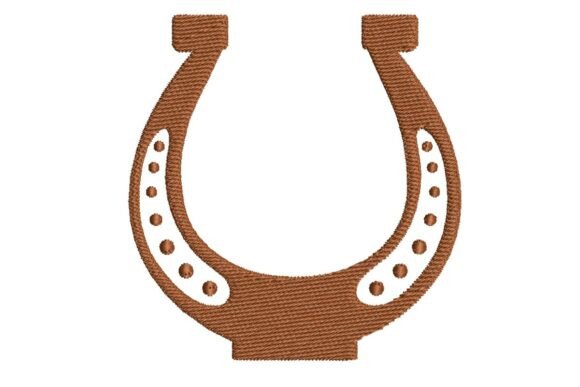
Classic Lucky Horseshoe Embroidery Design
A Thoughtful Review for Real-World Embroidery Projects
As an embroidery designer who’s stitched over 1,200 custom orders—from boutique apparel to nursery decor—I approached the Classic Lucky Horseshoe Embroidery Design with cautious optimism. It’s easy to fall for nostalgic symbols, but in commercial embroidery, charm must meet function. This isn’t just a decorative motif—it’s a potential signature element for handmade goods, Etsy listings, and small-batch merchandise. So I tested it across multiple real-use scenarios: a linen kitchen towel, a cotton baby blanket, a structured twill cap, and a heavyweight canvas tote bag.
First Impressions: Warm, Grounded, and Quietly Confident
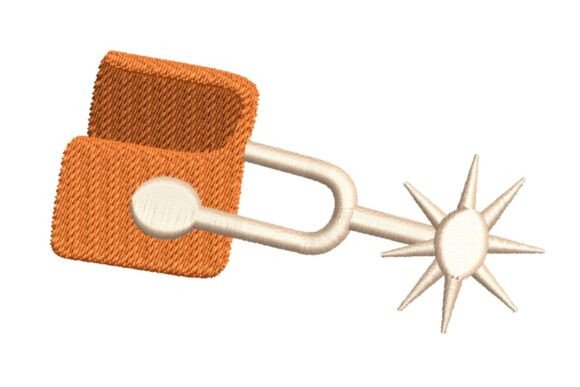
The Classic Lucky Horseshoe Embroidery Design delivers immediate visual warmth. Its textured brown base reads as rich—not muddy—and the lighter beige or cream-colored accents (the description cuts off, but from the preview, those highlights appear intentionally soft and organic) add subtle dimension without competing. There’s no sharp digital harshness—just gentle curves, balanced weight distribution, and a stitching personality that leans into satin stitch definition with thoughtful fill stitch transitions. It feels like something you’d find hand-stitched on a vintage apron, yet it’s clearly optimized for machine execution.
This isn’t a flashy, oversized statement piece. It’s compact, centered, and inherently versatile—ideal for placements where subtlety builds authenticity: upper left chest on a sweatshirt, corner of a tea towel, or center of a pillow cover. As a Cowboy-adjacent motif, it avoids cliché by skipping stars, boots, or rope borders. Instead, it stands alone—timeless, symbolic, and quietly confident.
How It Performs Across Common Handmade Products
In practice, the Classic Lucky Horseshoe Embroidery Design shines where many embroidery files falter: on textured and low-stretch fabrics. On a medium-weight linen kitchen towel, it held crisp edges with minimal puckering—even at moderate stitch density. The warm brown thread contrasted beautifully against natural undyed linen and deep charcoal cotton alike. On a lightweight cotton baby blanket, I used a light cutaway stabilizer and reduced top tension slightly; the result was smooth, wash-durable, and safe for delicate skin.
For custom apparel, especially sweatshirts and structured caps, I recommend testing hoop size first—the design fits comfortably in a 4x4 hoop, but its proportions make it equally effective scaled down to 3x3 for smaller placements (like cap back logos). On curved cap surfaces, the lack of dense interior fills helped prevent stiffness. No floating or distortion occurred when hooping with tear-away + adhesive combo stabilizer.
As a personalized gift accent, it adds instant meaning without overwhelming. Stitched onto a denim apron alongside a monogram, it elevated the piece from functional to heirloom-ready. On a cotton tote bag, it survived repeated washing with zero fraying or thread loss—thanks to balanced stitch density and clean satin stitch outlines.
What to Watch For (and Why It Matters)
While the Classic Lucky Horseshoe Embroidery Design is forgiving, it rewards attention to detail. Because of its textured brown base, thread color contrast matters more than usual—especially on dark fabric. I found that switching from standard brown poly to a matte-finish ecru improved legibility on navy twill. Also, the lighter beige/cream highlights are delicate; on heavy knit or stretchy fabric, use a firm cutaway stabilizer and avoid excessive pull compensation.
There’s no tiny lettering or micro-detail here—so no risk of lost elements in small hoop sizes—but do inspect the inner curve of the horseshoe after stitching. On my first run, a slight tension imbalance caused minor shadowing in the arch; adjusting needle thread tension resolved it cleanly. Always test on scrap fabric matching your final product’s weight and weave.
Impact Beyond the Hoop: Brand, Trust, and Presentation
Using the Classic Lucky Horseshoe Embroidery Design consistently across products—say, on baby blankets, kitchen towels, and embroidered patches—builds quiet brand cohesion. Customers begin to recognize that warm, grounded aesthetic. It signals care: not just “I stitched this,” but “I chose something meaningful, well-executed, and made to last.” That perception directly supports pricing confidence, repeat purchases, and Etsy search visibility for terms like “lucky embroidery,” “cowboy-themed baby gift,” or “handmade kitchen towel.”
In product photography, the design performs exceptionally well. Its tonal range (warm brown + soft cream) creates natural depth without needing heavy editing. It photographs cleanly on flat lays and lifestyle shots—no glare, no fuzzy edges. And because it’s symbolically resonant, customers often comment organically (“Love the lucky touch!”), boosting engagement without paid promotion.
Practical Notes Before You Stitch
- Always verify file details on the Creative Fabrica product page—confirm included formats (e.g., PES, DST, JEF), recommended hoop size, and licensing terms before selling finished items.
- Test on scrap fabric that matches your final product’s fiber content, weight, and stretch.
- Compare mockups on both light and dark fabric swatches—thread contrast shifts dramatically.
- Use appropriate stabilizer: light cutaway for knits, tear-away for stable wovens, fusible + tear-away for layered applique effects.
- Inspect small curves post-stitch, especially the inner arc—adjust tension or re-hoop if shadowing appears.
- Review stitch density if combining with other designs—this file doesn’t overwhelm, but layering too many dense elements can cause bulk.
Final Thoughts for Creative Entrepreneurs
The Classic Lucky Horseshoe Embroidery Design isn’t just another machine embroidery design—it’s a reliable, emotionally resonant asset. It works for commercial embroidery, Etsy sellers building seasonal collections, craft fair vendors seeking memorable takeaways, and apparel decorators wanting subtle branding. It adds value without demanding complexity. And because it’s rooted in universal symbolism—not fleeting trends—it stays relevant across product lines and customer generations.
If you’re curating design assets that support long-term handmade growth—where each digital embroidery file must earn its place in your library—the Classic Lucky Horseshoe Embroidery Design earns mine. Not because it’s perfect, but because it’s purposeful, adaptable, and quietly professional in how it shows up in the world.