Minimal Floral Line Embroidery Design
A Quiet Bloom That Earns Its Place on Real Projects
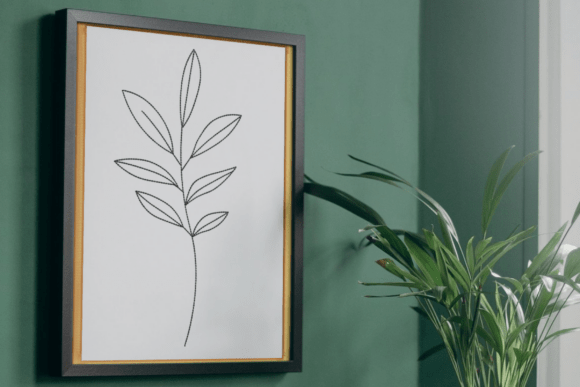
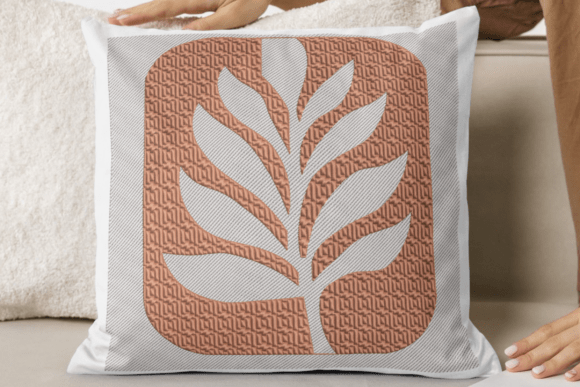
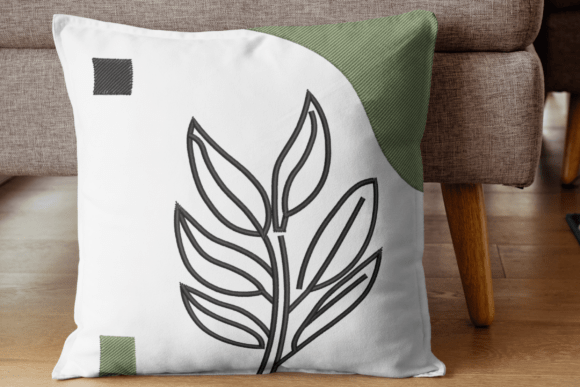
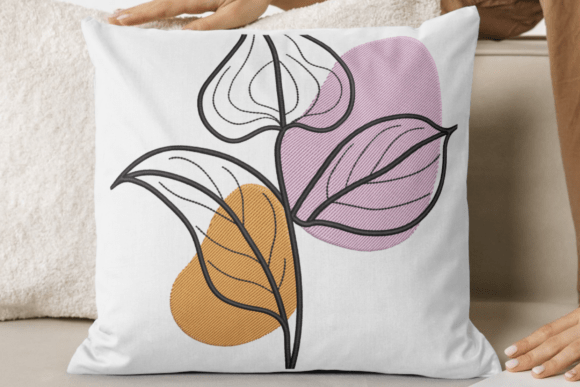
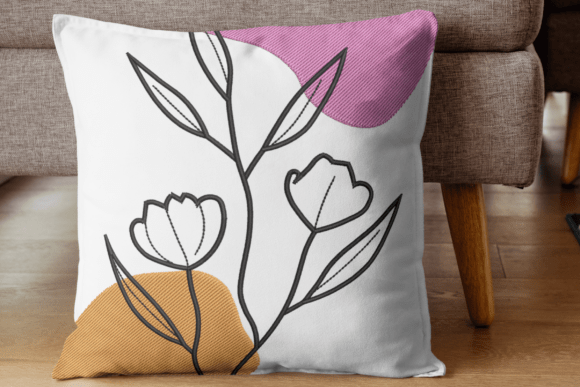
As someone who’s stitched hundreds of designs across apparel, home goods, and client gifts, I opened the Minimal Floral Line Embroidery Design file expecting simplicity—and found something more valuable: intentionality. It’s not just “a flower.” It’s a single, graceful stem with three delicate petals and a subtle bud, rendered in clean line work that breathes rather than crowds. No heavy satin stitch fills, no dense fill areas—just confident running and outline stitches that trace the shape like a sketch made with thread. That restraint is its strength. Last week, I used it on a set of linen tea towels for a local boutique launch, and customers kept picking them up just to trace the stitching with their fingers. That’s the kind of quiet impact this design delivers.
Where It Lives Best—And Where It Asks for Thoughtful Placement
The Minimal Floral Line Embroidery Design shines brightest where subtlety reads as sophistication: on the chest of an organic cotton sweatshirt, the corner of a baby blanket, the strap of a canvas tote bag, or the cuff of a linen apron. It’s ideal for small-batch makers who want handmade product appeal without visual noise—think Etsy sellers offering personalized gifts or craft fair vendors curating minimalist nursery decor. Because it relies on line clarity over density, it holds up beautifully on medium-weight fabrics like quilting cotton, twill, and midweight linen. On a structured cap? It works—if you stabilize well and avoid the curved peak where distortion can stretch thin lines. On a stretchy jersey tee? Proceed with caution: test first, use light cutaway stabilizer, and consider shortening the stem slightly if tension pulls the curve.
Fabric & Context Notes You’ll Actually Use
- Thin or sheer fabrics: Avoid unless backed with tear-away + wash-away stabilizer—the line weight is fine enough to show through, but not so fine that it vanishes.
- Dark fabric: Choose high-contrast thread (ecru on charcoal, white on navy) to preserve legibility. The design doesn’t have built-in shadow or dimension, so contrast does the emotional lifting.
- Textured surfaces: Works on terry cloth towels and bouclé throws—but reduce top tension slightly and expect minor stitch float. Don’t force it onto heavily napped fleece.
- Curved or layered items: Not ideal for the crown of a beanie or inner seam of a pillow cover. Stick to flat, stable zones like pocket flaps, hem corners, or center-front placements.
What This Design Says About Your Brand—Without Saying a Word
When your customer sees the Minimal Floral Line Embroidery Design on a finished product, they don’t read “floral.” They read “considered,” “handmade with care,” and “designed—not decorated.” That matters for small shop owners building trust through consistency. A boutique selling ceramic mugs and hand-thrown vases paired this design with a custom monogram on matching cotton napkins—it unified the collection without shouting. For wedding gift embroidery? It’s perfect on muslin drawstring bags or linen handkerchiefs: elegant but never fussy. And for holiday embroidery—say, on a set of kitchen towels—it reads festive without leaning into cliché. That versatility makes it reliable design assets, not seasonal clutter.
Real Designer Checks Before You Stitch
Before committing to a client order or bulk run, here’s what I do—and recommend you do—with the Minimal Floral Line Embroidery Design:
- Test on scrap fabric *exactly* like your final piece—same weave, same dye lot, same pre-wash status.
- Check stitch density visually in your embroidery software: look for any unintended overlaps or gaps in the line work, especially where the stem meets the bud.
- Confirm hoop size compatibility. While it’s compact, some versions may push the edge of a 4x4 hoop—verify before hooping ten identical sweatshirts.
- Inspect small details at 200% zoom: are petal tips crisp? Does the line taper naturally? If not, a quick digitizing tweak may be needed.
- Run black-and-white mockups. Since it’s line-based, it must hold up in grayscale—critical for printable mockups and digital previews.
- Review licensing. The product description confirms it’s a machine embroidery design digital file for commercial use—but always double-check terms before listing finished products or reselling the embroidery file itself.
Why It Fits So Many Hands—From Hobbyist to Handmade Business Owner
This isn’t a “one-size-fits-all” floral. It’s a “right-size-for-purpose” floral. A hobbyist embroidering their first baby onesie will appreciate how quickly it stitches and how forgiving it is on beginner tension. An Etsy seller scaling personalized gifts will value its fast stitch time and consistent results across fabric types. A wholesale apparel decorator will rely on its clean vector-like structure when resizing for different garment placements. Even digital product sellers can leverage it in editable mockup kits—its line nature translates cleanly to SVG overlays and layered PSD files. What ties all those uses together is honesty: the Minimal Floral Line Embroidery Design doesn’t pretend to be ornate, dimensional, or bold. It knows what it is—and does it exceptionally well.
Final Thought: Simplicity Is a Skill, Not a Shortcut
In a market flooded with busy, over-digitized florals, this design stands out by stepping back. It asks less of your machine, your stabilizer, and your time—and gives more in perceived quality. Whether you’re stitching a single embroidered patch for a friend’s birthday or building a cohesive line of small shop product for spring, the Minimal Floral Line Embroidery Design earns its place not through volume, but through voice. Soft, clear, and quietly confident—just like the best handmade work should be.