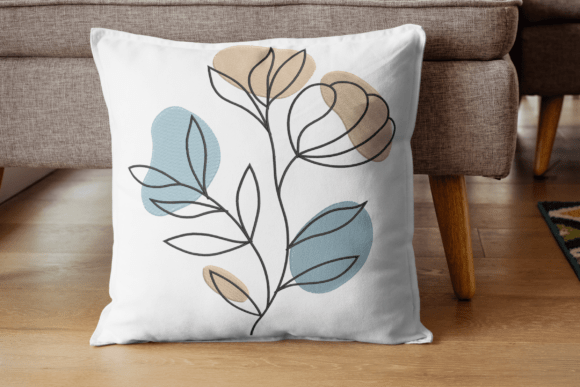
Minimalist Floral Applique Embroidery
A Craft Fair Designer’s First Look: Clean, Calm, and Commercially Smart
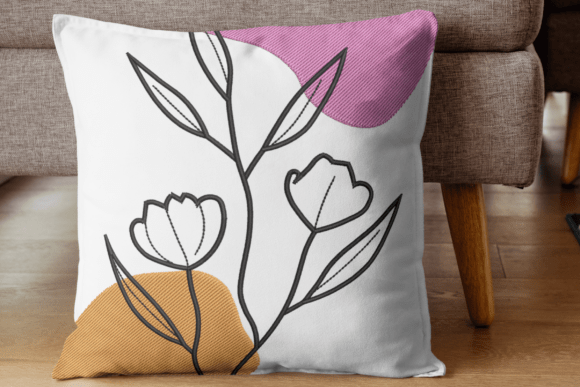
As someone who’s stitched 300+ craft fair booths—and watched which designs stop shoppers mid-aisle—I opened Minimalist Floral Applique Embroidery with quiet anticipation. Not hype. Not trend-chasing. Just the instinctive pause you get when a design whispers *“I belong on something real.”* This isn’t cottagecore clutter or maximalist bloom. It’s clean line work, intentional negative space, and botanical simplicity that reads as modern elegance—not just “floral.” That first impression matters: at a crowded handmade market, Minimalist Floral Applique Embroidery doesn’t shout. It invites.
Where It Shines—And Where It Stays Subtle
On a natural linen tote bag? Perfect. The design anchors the upper corner without overwhelming the fabric’s texture—ideal for the “quiet luxury” shopper who values craftsmanship over flash. On an apron? Place it just above the pocket: small enough to feel intentional, large enough to read from three feet away. For tea towel embroidery, it holds up beautifully on medium-weight cotton—no bleeding, no puckering—if paired with light cutaway stabilizer. And yes—it works on curved surfaces like structured caps, but only when sized 2.5"–3" wide; smaller, and the stem detail blurs.
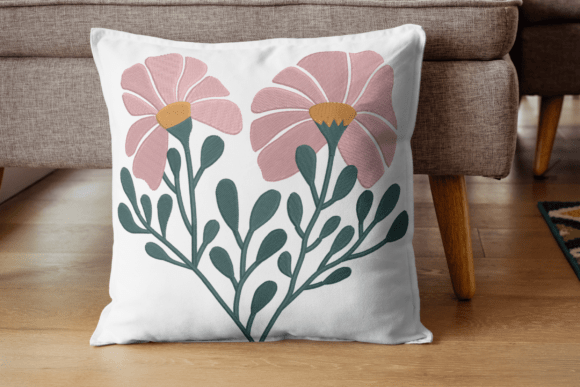
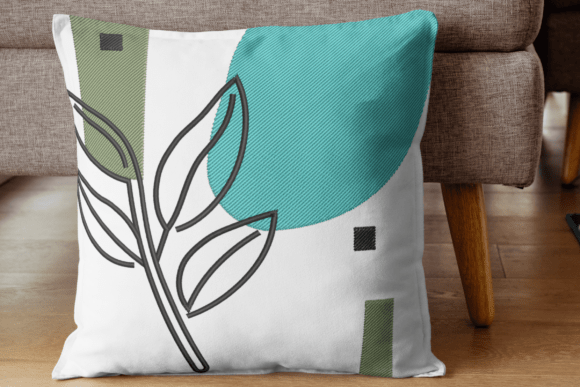
As an embroidered patch? Strong contender. Its clean outer edge and low stitch density mean crisp heat-transfer backing adheres evenly, and iron-on application stays secure through washing. On small pouches and pillow covers? It scales down gracefully—unlike many floral motifs that collapse into indistinct blobs. That’s rare in the Single Flowers category, where delicate petals often vanish under 2". Minimalist Floral Applique Embroidery avoids that trap by prioritizing silhouette over petal count.
What Makes It Sell—Beyond Aesthetics
This is where Minimalist Floral Applique Embroidery earns its place in your booth lineup: it’s repeatable. You can stitch 12 matching tea towels in one afternoon without fatigue or quality drop. The stitch density stays moderate—no dense fill areas that cause thread breaks or stabilizer show-through on light fabrics. No tiny lettering, no micro-stems under 1mm. That means fewer stopped machines, fewer re-hooping moments, and more time engaging customers instead of troubleshooting.
Photography? It translates flawlessly. The contrast between motif and background reads cleanly—even on mobile screens. That’s critical for Etsy sellers using printable mockups: this design doesn’t need heavy filters or forced lighting to look premium. It looks handmade, not homemade.
Real-World Caution Points (From My Hoop to Your Booth)
Don’t skip testing—especially on textured towels or dark fabric. While the design is inherently legible, high-pile terry or charcoal linen can mute subtle stem gradations if thread contrast isn’t dialed in. Use matte cotton thread in heathered tones (think oat, slate, or warm taupe) rather than high-sheen rayon—sheen exaggerates texture inconsistencies.
Avoid placing it on thick canvas market bags unless you’ve confirmed hoop size compatibility. Some versions of this machine embroidery design require a 5x7 hoop minimum—check your file specs before cutting fabric. Also: double-layer stabilizer is non-negotiable for caps and pouches. Skip it, and the applique edge curls or lifts after wear.
Most importantly—verify commercial licensing. If you’re selling finished products (not just the digital embroidery file), confirm whether this Embroidery design permits commercial use. Many “for personal use only” files slip into craft fair inventory unnoticed—until a cease-and-desist arrives. When in doubt, email the designer directly. Better safe than shuttered.
Booth Impact: How It Elevates Your Entire Display
Minimalist Floral Applique Embroidery doesn’t dominate your table—it grounds it. Paired with neutral-toned tote bags, unbleached cotton aprons, and stone-colored pillow covers, it creates visual rhythm without repetition. Customers notice the consistency across product types—not because everything matches, but because everything feels intentionally curated. That builds perceived value. A $38 embroidered tea towel feels worth it when the motif reads as refined, not rushed.
It also strengthens brand cohesion for small shop owners. If your aesthetic leans modern rustic or slow-living minimalism, this design becomes a signature touch—like your font choice or packaging tape. Repeat it across categories (patches, totes, pouches), and buyers begin recognizing your work before they see your logo.
Five Must-Do Steps Before Booth Day
- Test the embroidery file on scrap fabric matching your final product—linen, terry, twill, or duck cloth.
- Check thread contrast on both light and dark fabric swatches; adjust colors if needed.
- Review spacing between elements—especially if layering with text or other motifs.
- Confirm hoop size requirements and stabilize accordingly—no assumptions.
- Create at least one real, unstaged mockup (not just a digital preview) to assess drape, scale, and tactile appeal.
Final Thought: Less Is Legible, Less Is Loyal
In a sea of busy patterns and saturated palettes, Minimalist Floral Applique Embroidery stands out by stepping back. It’s not the loudest design on your table—but it’s often the first one picked up, turned over, and asked about. That’s the power of restraint done right. For craft fair sellers, Etsy sellers, and boutique makers building a loyal customer base, this isn’t just another handmade product addition. It’s a quiet statement—one that says your work honors both craft and clarity. And in today’s market? That’s not minimal. It’s magnetic.