Textured Autumn Sunflower Embroidery Design
A Craft Fair Designer’s Real-World First Impression
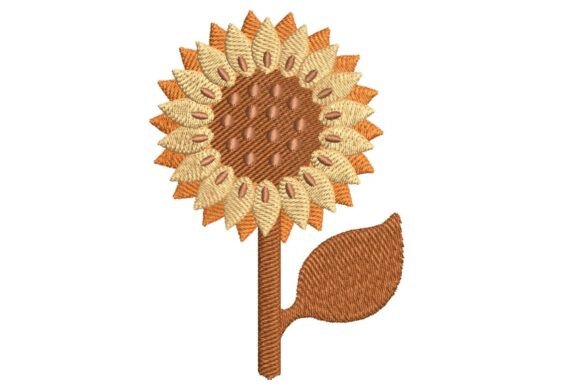
Walking up to Textured Autumn Sunflower Embroidery Design for the first time—before even opening the file—I felt immediate warmth and intention. The title alone signals authenticity: “textured” promises depth, “autumn” cues seasonal relevance, and “sunflower” delivers recognizable charm without cliché. This isn’t a cartoon bloom or a minimalist line drawing—it’s a stylized, grounded sunflower in warm, earthy tones, clearly built for rustic themes and handmade storytelling. At a craft fair booth where shoppers scan dozens of items in under three seconds, this design reads as rustic, premium, and seasonally intentional—not trendy, but timeless.
Where It Shines: Product-by-Product Reality Check
As an embroidery designer who’s filled weekend booths with 80+ hand-finished pieces, I test every design against real production constraints—and customer behavior. Here’s how Textured Autumn Sunflower Embroidery Design performs across high-traffic craft fair products:
- Tote bag design: A standout. Centered on a natural canvas or oat linen tote, the large circular flower head anchors the composition beautifully. Its textured brown center adds dimension that reads well from 6 feet away—critical when customers are browsing while holding coffee and a toddler.
- Apron embroidery: Works best on the chest pocket or lower left front panel—not too high, not too small. The earthy palette complements denim, chambray, and unbleached cotton, reinforcing a cohesive farmhouse or artisan kitchen aesthetic.
- Tea towel embroidery: Excellent choice—especially on medium-weight woven cotton or linen-blend towels. The texture in the flower head translates surprisingly well into stitch, giving tactile interest that photographs beautifully for Etsy listings.
- Embroidered patch: Highly viable as a sew-on or iron-on option. Trimmed cleanly and backed properly, it holds up to laundering and gives small shop owners low-risk branding (e.g., “Handmade with Love” + sunflower logo).
- Caps and curved surfaces: Proceed with caution. The dense center may pucker on structured caps unless hooped precisely and stabilized with cutaway + topping. Best reserved for flat-front panels or relaxed-fit trucker caps.
- Fabric pouches & pillow covers: Ideal scale. The design fills a 4"–5" square elegantly—large enough to feel intentional, small enough to leave breathing room for fabric texture and stitching seams.
- Printable mockup & digital embroidery file appeal: Strong visual rhythm and clear focal point make it highly convertible for Canva-based Etsy banners, Instagram carousels, and printable product tags—no extra illustration needed.
What Makes It Sell—Beyond Just Pretty
This isn’t just another single flower embroidery design. Its strength lies in contextual resonance. Sunflowers signal joy, resilience, and harvest—emotionally aligned with autumn gifting, teacher appreciation, hostess presents, and boutique-style self-care bundles. When placed beside a hand-poured soy candle or ceramic mug at a market, Textured Autumn Sunflower Embroidery Design elevates perceived value without shouting. Customers don’t see “embroidery”—they see intentional making.
It also supports brand consistency. Whether you’re an Etsy seller building a seasonal collection or a small shop curating local maker goods, this design fits seamlessly into an earth-toned, texture-forward visual language. No rebranding required—just thoughtful placement.
Practical Production Notes Every Embroiderer Should Know
Before loading your machine or ordering 50 patches, here’s what I check every time—with Textured Autumn Sunflower Embroidery Design specifically in mind:
- Test on scrap fabric first—especially textured towels or dark linens. That “textured brown center” relies on stitch density and thread contrast. On heavy terry cloth or charcoal fabric, subtle tonal shifts can disappear without proper underlay or matte thread.
- Review spacing and stitch density. Dense fill areas (like the seed head) need adequate underlay and appropriate needle size—don’t assume standard 75/11 will glide smoothly through multiple layers.
- Confirm hoop size compatibility. If the design pushes 4.5", double-check whether your most-used hoops (and those of contract embroiderers) can handle it comfortably—especially for aprons and tote bags where registration matters.
- Use the right stabilizer. Medium-weight cutaway works best for structured items like caps and pouches; tear-away + topping is ideal for tea towels and lightweight cottons.
- Create at least one real mockup before batch production. A single embroidered tea towel, photographed in natural light beside dried wheat stalks and a vintage spoon, tells buyers more than ten stock photos ever could.
- Compare thread colors across fabric bases. Warm browns behave differently on ivory vs. oat vs. ecru—swatch before committing to a full run.
- Verify commercial licensing status. As a digital embroidery file intended for resale as part of a finished product, confirm whether your license permits commercial embroidery use—this protects your small shop product and avoids platform takedowns.
Final Thought: Why This Belongs in Your Fall Lineup
Textured Autumn Sunflower Embroidery Design succeeds because it balances emotional appeal with production intelligence. It’s not overly complex—but it’s not generic. It doesn’t require explanation—but it invites connection. For craft fair sellers, it’s booth-ready visual shorthand for quality, seasonality, and handmade care. For Etsy sellers and boutique makers, it’s a versatile, repeatable asset that strengthens listings, builds collections, and converts casual scrollers into loyal buyers.
In a market flooded with floral repeats and over-digitized motifs, this Single Flowers design stands out by honoring texture, tone, and tactility—the very things that make embroidery feel human. And in handmade markets, that humanity is your strongest selling point.